

Building a Stable, High-Performance Data Platform
One-Click Data Synchronization and Sub-Second Historical Data Queries with Zero-Error Data Management

Upgrading a Horse Racing Data Platform
In the sports data industry, the timeliness and accuracy of information directly impact both user experience and business value.
For media organizations that have long provided horse racing news and data services, race results, historical performance records, and other datasets require frequent updates. At the same time, their complex data structures place extremely high demands on system stability and computational performance.
As its business continued to grow, a Japanese sports information and data services company faced a growing gap between the increasing volume of data and the capabilities of its existing system. To address these challenges, the company launched an upgrade project for its core data platform.
1. Project Background
Business Expansion Creates Growing Data Pressure
The Japanese company has been providing horse racing information and data services for many years. As its user base expanded and its data accumulated, the volume of race data, horse information, and multi-generation pedigree records that the system needed to process continued to grow.

The existing system was initially sufficient to support basic operations. However, as demand increased for data analysis and information synchronization across multiple platforms, several limitations gradually emerged.
High Requirements for Data Accuracy and Timeliness
Horse racing data requires an exceptionally high level of accuracy. Any data error or delay could directly affect the user experience and undermine the credibility of the business.
The customer therefore sought to build a more stable, efficient, and reliable data platform.

2. Solution
To address the customer's requirements, the project team designed and implemented an integrated management system and data distribution platform, upgrading the architecture of the existing business systems while consolidating key functions.
Rebuilding a Highly Reliable Data Center
First, the project team redesigned the domain model for race and horse-related data at the data structure level and established a highly structured data architecture covering core datasets such as race information, horse profiles, historical performance records, and pedigree information.
By standardizing the data model, relationships between complex datasets became clearer, providing a solid foundation for subsequent statistical analysis and data mining.
Professional Data Editing Through a Desktop Client
Next, a unified data processing and distribution platform was established at the system architecture level.
Professional editors can enter and organize race data through a desktop client, while the backend processes the data through a service-oriented architecture and synchronizes the results with the Web platform. This enables an efficient end-to-end workflow from data editing and processing to information delivery.
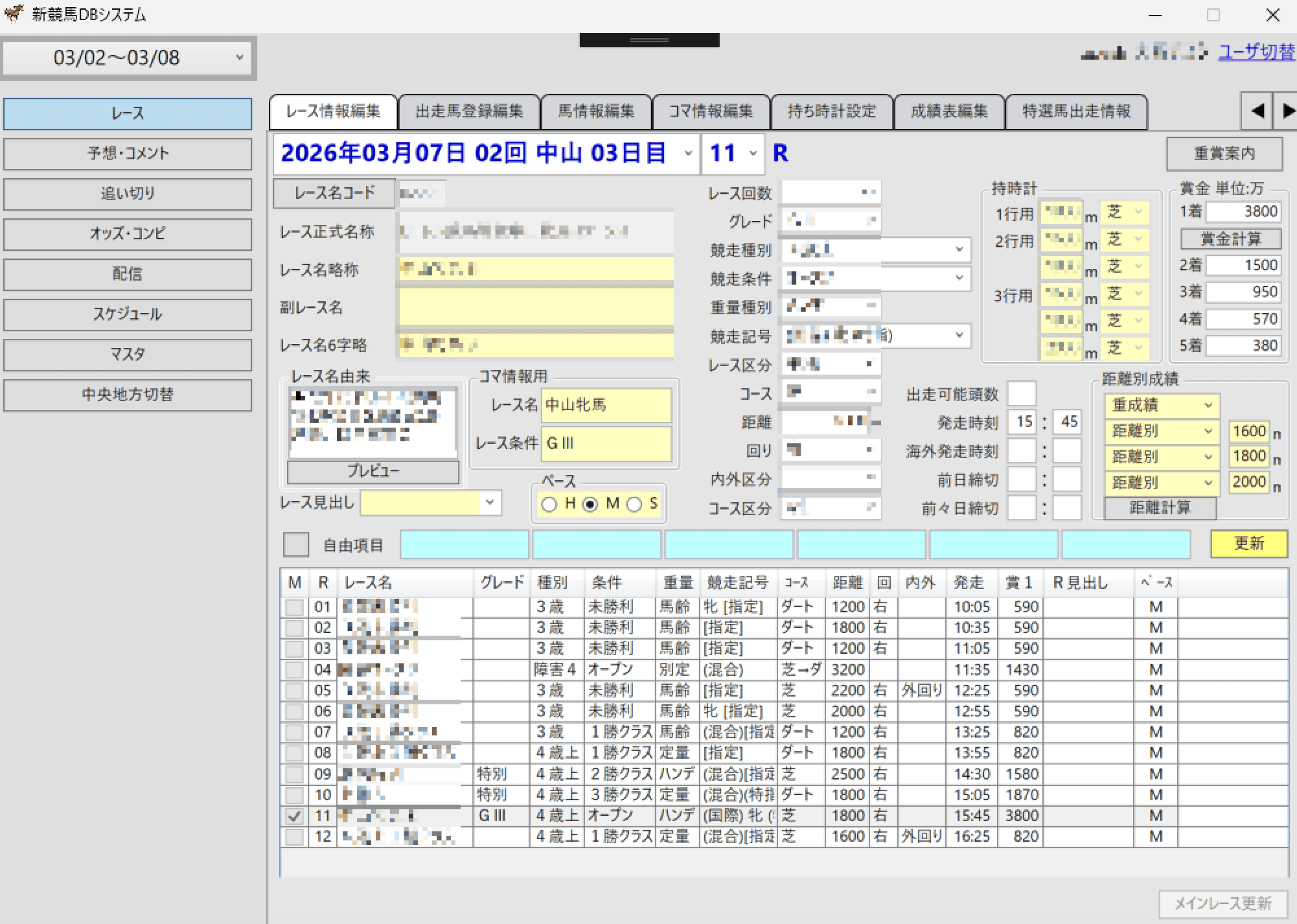
High-Performance Batch Processing for Faster Complex Calculations
To support high-frequency data processing, the project team designed a highly structured race/horse domain model comprising more than 50 core tables.
A hybrid C++/C# batch processing engine was also introduced to provide the computational power required for complex race statistics and pedigree-tracing analysis.

3. Results
Race schedules, race results, and odds data can now be synchronized from desktop data entry to Web presentation with a single click, significantly improving historical data query performance.
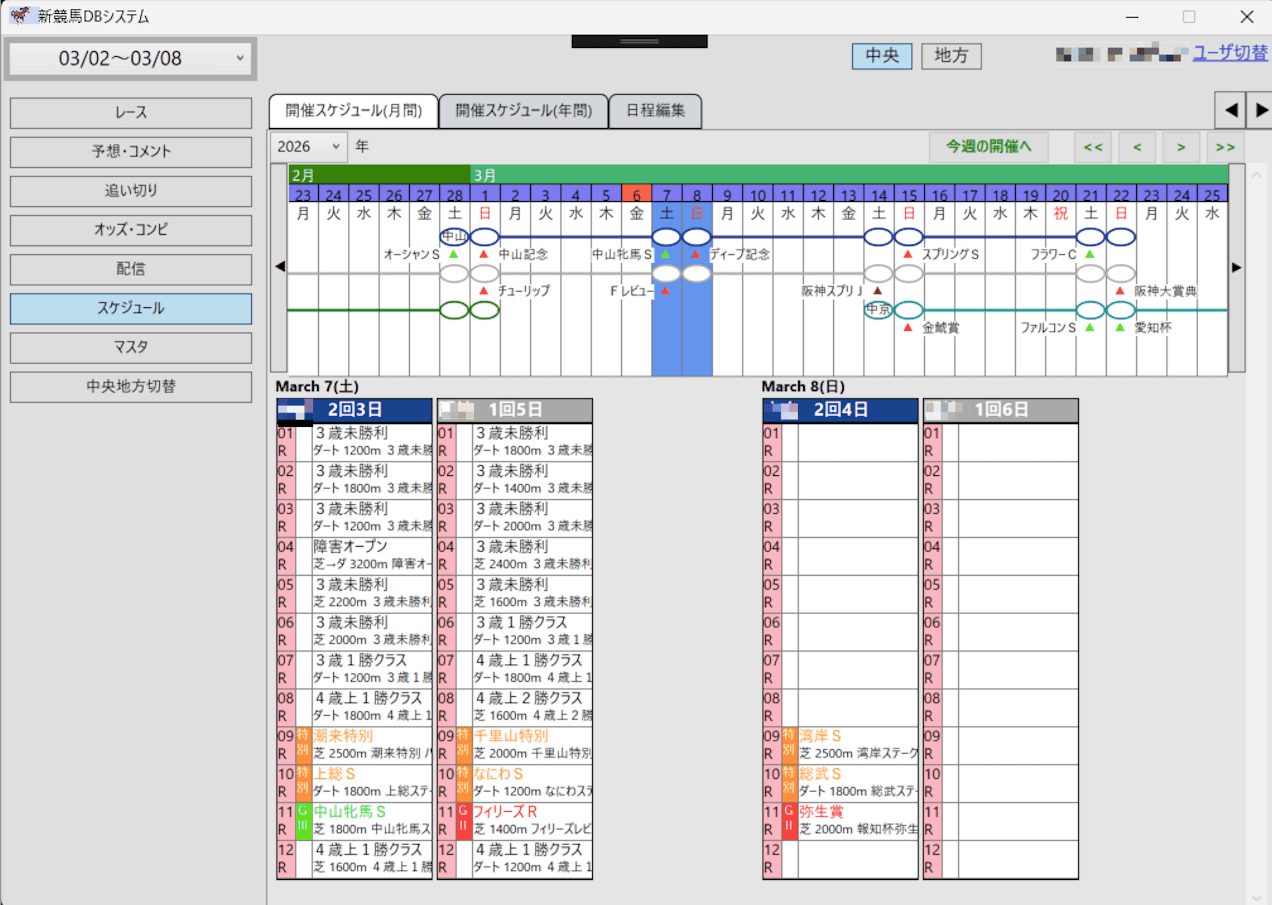
The new platform has greatly improved the efficiency of daily data editing for professional horse racing media operations, while reducing the error rate associated with report generation and data publishing.
The system also supports the efficient processing of tens of millions of historical performance and pedigree records across multiple racing seasons. The batch processing engine reduces complex statistical calculations to the second level, helping ensure highly accurate, error-free data processing.
Through this platform upgrade, the company not only significantly enhanced its data processing capabilities but also established a solid foundation for future data analytics and business expansion.
The system has now been running stably for many years and has become an indispensable core platform supporting the company's day-to-day business operations.